Hire Nearshore Accounting and Finance Talent in Latin America
Run the numbers: vetted bookkeepers, accountants, analysts, controllers, and finance leaders all the way up to VP of Finance and CFO. They work your hours, in your systems, on your close calendar.
Illustrative figures based on typical ranges, not a quote. The US column reflects fully loaded cost including employer taxes, benefits, and seat overhead. The Latin America column is the all-in annual figure you pay us. Your actual number depends on scope, seniority, and country.
What we place
Roles we fill, from bookkeeper to CFO
These are the seats US finance teams ask us for most. Every candidate is screened for technical skill, English fluency, and hands-on experience in the systems you already run.
Role
Common systems
Annual, all in
BookkeeperDaily entry, reconciliations, close support
VP of FinanceFunction leadership across accounting and FP&A
Full ERP and planning stack
$116k to $131k
CFOStrategic finance leadership, board and capital work
ERP oversight, board tooling
$149k to $168k
These are what you pay us annually, all in, covering the professional's salary, employer costs, benefits, and our management. They are not the individual's local salary. Ranges vary by country and seniority.
Why teams call us
The problems that bring finance leaders here
Capacity
Close keeps slipping
Your team is running at capacity and month-end takes longer every quarter. Domestic hiring takes three to five months and eats the savings you were trying to protect. We can have a screened candidate in front of you inside two weeks.
Cost
Headcount budget will not stretch
A US staff accountant costs far more than the salary line suggests once you add payroll taxes, benefits, software seats, and HR administration. Nearshore hiring gets you the same work for 40 to 60% less, with no office to carry.
Risk
A bad finance hire is expensive
Wrong hires in accounting create rework, control gaps, and audit findings. We verify credentials, test technical skill, and interview for English fluency before you ever see a profile. If a placement does not work, we replace it.
Turnover
The same seat, open again
You backfilled this role eighteen months ago and you are backfilling it again. Junior accounting roles in the US churn fast, and every exit takes the close calendar and the quirks of your chart of accounts with it. Our placements stay because the role is a strong position in their market.
Engagement models
Three ways to hire, from one person to fifty
One bookkeeper or an entire finance operation, the machinery is the same: recruiters who live in the region, know which universities matter, and have been filling seats like yours for a decade. One hire is a Tuesday for us. Fifty is a project plan. We have run both.
Add capacity without adding an entity
Your new team member sits inside your operation and reports to your controller or finance lead. They use your tools, follow your close checklist, and join your standups. We stay behind the scenes handling employment, payroll, benefits, and local compliance.
This is the right fit when you need reliable accounting throughput now and do not want a multi-month recruiting cycle or a foreign payroll setup.
We run the search, screen against your technical requirements and compensation band, and present a shortlist. You interview, you choose, and the hire becomes a direct employee of your company.
This suits teams that want long-term continuity and are set up to employ internationally, or who are hiring in a country where they already have a presence.
When one hire is not the answer, we design the team structure with you, anywhere from a three person pod to a fifty person finance operation. A typical pod pairs a senior accountant or controller with two or three specialists covering AP, AR, payroll, and reconciliation, so the unit can own a process end to end rather than assisting with pieces of it.
Under Build, Operate, Transfer we recruit and run the team first, then hand it to you once it is stable. That is the path for companies who want a permanent LATAM finance operation without absorbing the setup risk.
We start with what the role actually does day to day, which systems it touches, and what seniority the work demands. Our recruiters then source against that profile and put two to three screened candidates in front of you, each already tested on technical skill and English fluency.
1 to 2 weeks
Step 02
Onboard into your stack
Once you choose, we handle contracts, equipment, and employment setup. Your new hire gets access to your ERP, your communication tools, and your close checklist, and meets the team they will work with. We stay involved until they are producing without supervision.
1 to 2 weeks
Step 03
Keep it running
Payroll, benefits, local labor compliance, and HR administration stay with us permanently. We run check-ins with both sides, catch problems while they are still small, and adjust the team as your needs change. You manage the work, we manage the employment.
Ongoing
Track record
Not our first placement
Nearshore Finance is the accounting and finance practice of Blue Coding, which has been placing Latin American professionals with North American companies since 2014. Same recruiting engine, same vetting standards, now pointed at finance.
2014Year our recruiting operation started placing LATAM talent
300+Professionals currently placed with North American companies
15+Countries where we recruit, contract, and run payroll
1 to 3hTypical time zone gap between our talent and US teams
Our recruiters live and work across Latin America. They know which universities produce strong accounting graduates, which certifications actually mean something locally, and how to read a CV from Bogota or Buenos Aires.
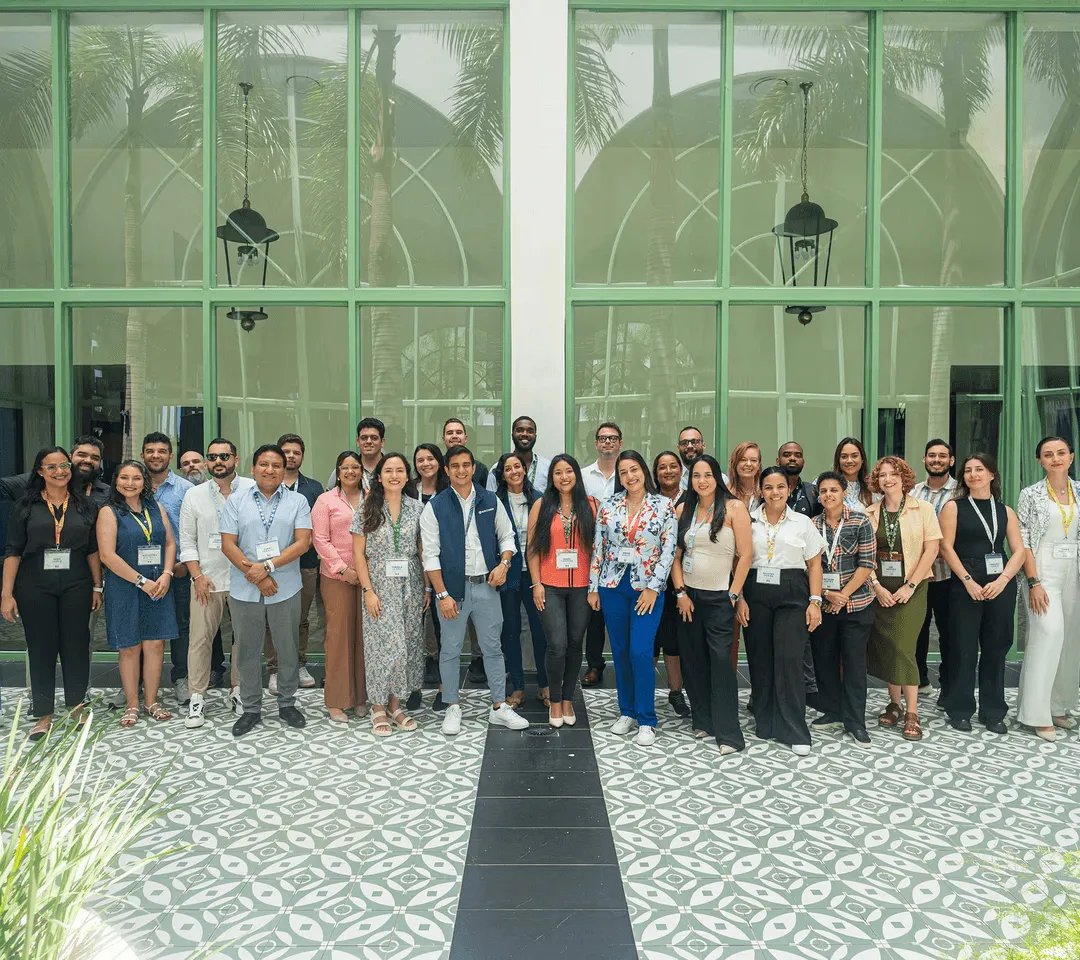
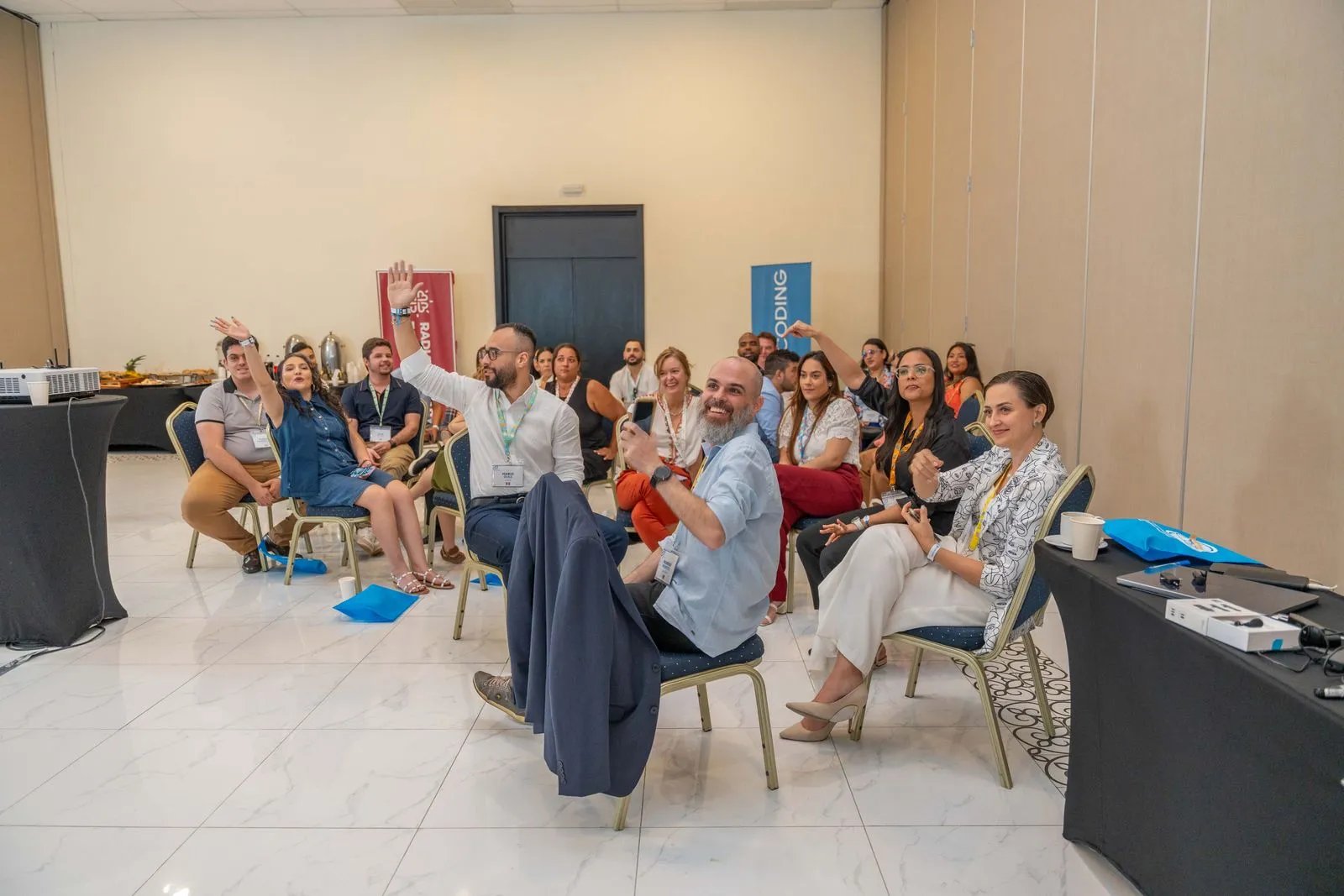
These are not stock photos. The team gets together in person across the region, and through the Radiant Hearts Foundation, the 501(c)(3) we operate, we fund grassroots education, healthcare, and community projects across Latin America and the Caribbean.
that last photo is us painting a school. not a metaphor.
Questions
The things people ask first
We have never worked with people from Latin America. What should we expect?
This is the question we get most, and honestly, we love answering it. Expect professionals with five year accounting degrees, fluent English, and more NetSuite hours than most of the candidates in your last domestic search. Expect someone who joins your 9am standup at 9am, because they live in your time zone, not across the planet. Expect them to know US GAAP, understand your deadlines, and get your jokes, since Latin America has been watching the same shows and arguing about the same sports as the US for decades. The honest version of the answer: expect the same talent you would hire here, or better, and expect to feel slightly silly for having worried. The only real adjustment is recalibrating what you thought this level of talent costs.
How fast can someone actually start?
Two to four weeks from the first scoping call in most cases. The first one to two weeks go to defining the role and getting a shortlist in front of you. Once you pick someone, onboarding into your systems takes another one to two weeks. Urgent searches can move faster when the role is a common one and the scope is clear.
Who employs the person, and who handles compliance?
Under staff augmentation, we do. We hold the employment contract, run payroll in the local currency, administer benefits, and stay current with labor law in that country. You never register an entity, file abroad, or manage a foreign payroll. Under direct hire, the person joins your company and those obligations move to you, which is why most teams start with augmentation.
What about data security and access controls?
Your nearshore team members get access the same way any employee does: named accounts, role-based permissions in your ERP, MFA, and whatever device policy you already enforce. We sign confidentiality agreements and can work within SOC 2 or audit requirements your finance function is subject to. Segregation of duties stays entirely under your control because you own the system permissions.
How do you vet for accounting skill specifically?
Credential verification first, then a technical evaluation built around the actual work: reconciliations, journal entries, and system-specific tasks in whatever platform you run. We interview for English fluency at a working level, not a conversational one, because your team needs to discuss variances and not just exchange pleasantries. You see the results before you interview anyone.
What happens if the hire does not work out?
We replace them. That is included, not an upsell. In practice most mismatches surface in the first sixty days, which is why we run structured check-ins with both sides during that window rather than waiting for someone to raise a hand.
Which countries do you recruit in?
Argentina, Brazil, Chile, Colombia, Costa Rica, the Dominican Republic, Ecuador, Guatemala, Mexico, Panama, Paraguay, Peru, Uruguay, and Venezuela. Which one makes sense depends on the role, the salary band, and how closely you need their hours to overlap with yours.